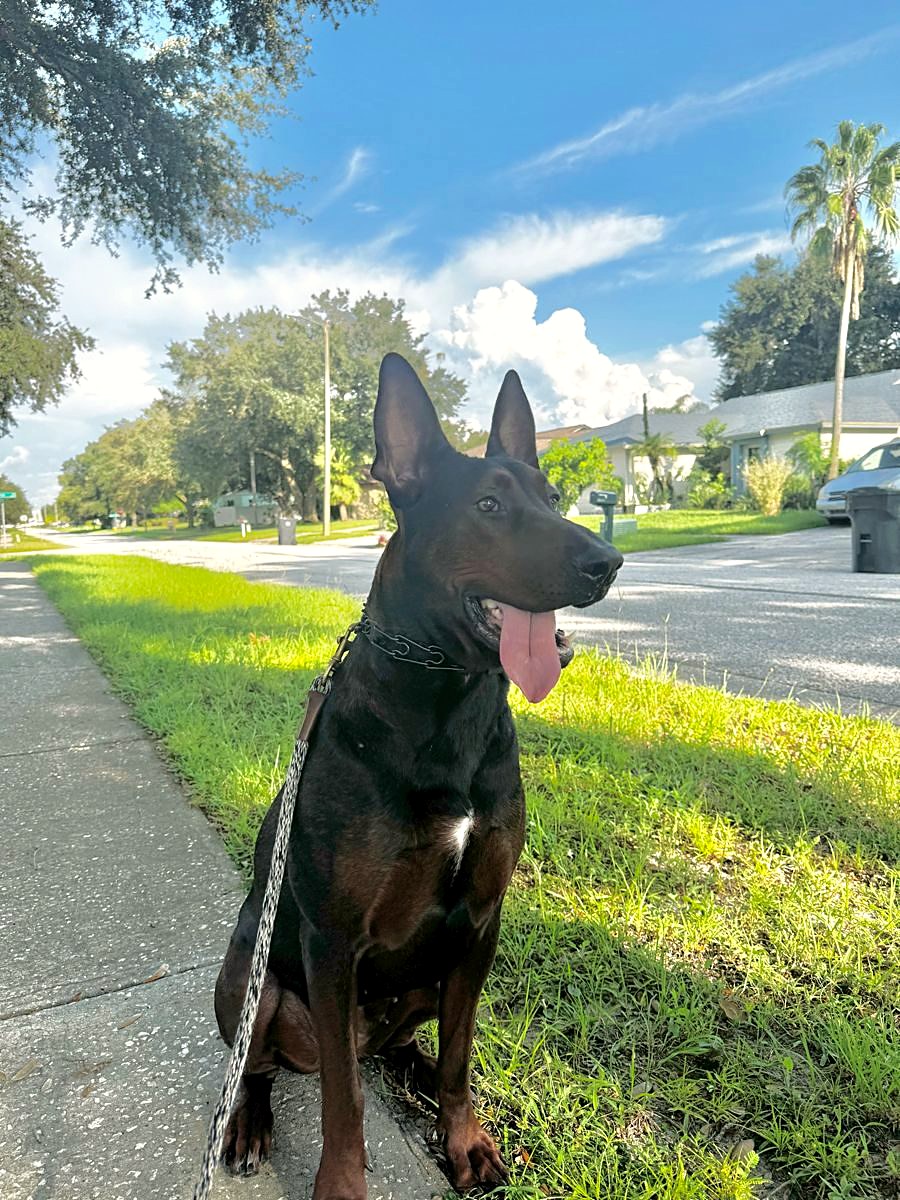
What to look for with a serious behavior problem
- Direct experience with your dog's specific problem, such as leash reactivity or fear of strangers
- A trainer who asks about your dog's health, history and triggers before suggesting anything
- A suggestion to involve your veterinarian when pain or illness may be part of the picture
- Clear safety steps for your family, visitors and other animals during training
- Methods that keep your dog under threshold, meaning calm enough to learn
- No harsh tools or force explained away as a quick fix
- One trainer who stays with your case so progress is tracked consistently
- Honest talk about what training can and cannot change
Where to find them. Across Tampa to Parrish.
Compare other programs. Find your fit.
Why owners choose this
Vetted, one-on-one trainers. Matched to your dog.
We do not refer owners to franchise training chains. In our view, they lean on less experienced staff and indoor facilities instead of real-world training.
Good questions
Before we begin.
What counts as a behavior problem?
Examples include fear, lunging at other dogs, guarding food or toys, aggression toward people and severe separation distress. If you are worried about safety, treat it as a behavior case.
How much does behavior training cost in Tampa?
Pricing is custom, since plans vary widely. The trainer should explain the cost after learning about your dog, and put what is included in writing.
Should I see a vet first?
Often yes. Pain, thyroid trouble and other medical issues can change behavior. Share your trainer's observations with your veterinarian.
Can behavior problems be fixed?
Many improve with a good plan and steady work, but no honest trainer can guarantee an outcome. Ask what progress should look like and how it will be measured.
What methods should I avoid?
Be cautious of harsh corrections, shock or prong tools pitched as quick fixes, and any trainer who blames the dog for being stubborn. Ask for a plain description of what will happen in a session.
Is my dog too aggressive to train?
Many dogs with serious issues can still be helped. A trainer with proper experience should assess safety first and may recommend management steps while training begins.
How do I know if my dog needs a behavior trainer?
If your dog shows fear, aggression, intense reactivity or severe separation distress, or if safety is a concern, you probably need a behavior trainer. Ordinary manners problems are often handled by obedience trainers.
Can I do anything while I wait for a trainer?
Yes. Avoid known triggers, keep people and pets safe with gates and leashes, and do not punish fear or growling. Tell the trainer and your veterinarian what you have noticed so they can help from the start.